
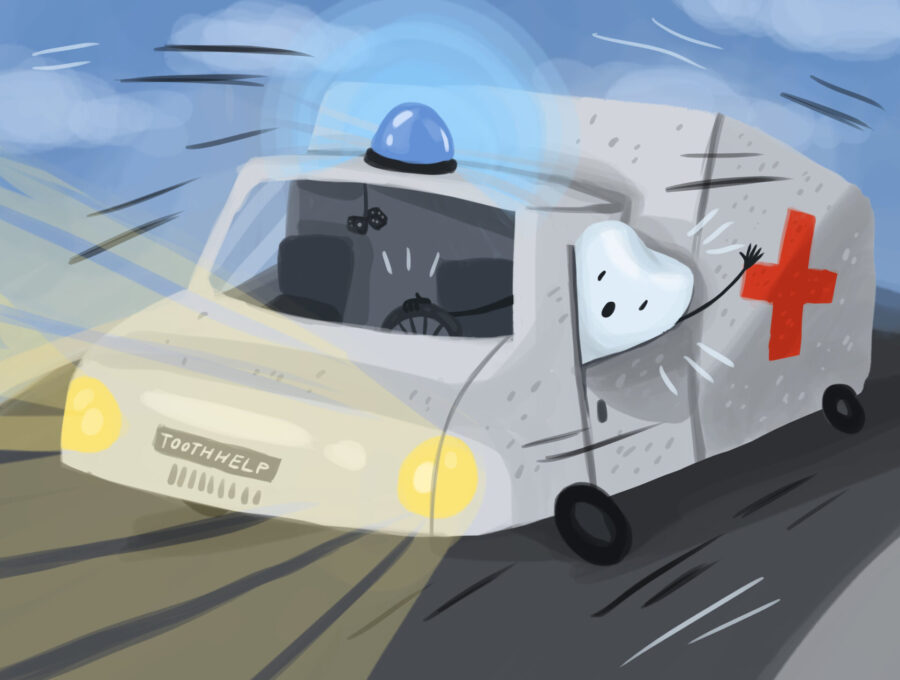
Tooth Pain Guide: When is It a Dental Emergency in Colgate, WI?
January 14, 2026 9:00 amTooth pain can feel like an alarm — but not all alarms point to the same problem. Sometimes it’s a short‑lived ache after cold cereal, and sometimes it’s a deeper issue that deserves prompt dental care. Knowing the difference helps you avoid unnecessary stress and get the right kind of relief at the right time.
At Lake Five Dentistry in Colgate, WI, Dr. Kierstin Lorenz sees all kinds of tooth pain — from mild sensitivity to true dental emergencies. This guide walks through common patterns of discomfort, simple troubleshooting you can try at home, and clear signs it’s time to reach out.
Not All Tooth Pain Is an Emergency — But Some Deserve Attention
A fleeting twinge when you sip cold water doesn’t necessarily mean something is seriously wrong. But pain that persists, gets worse, or comes with certain symptoms often does. What matters most is the pattern, duration, and intensity of the pain.
If your pain fits any of the scenarios below, don’t wait for your next routine visit — give us a call.
When Tooth Pain is a Dental Emergency
These are situations where you should contact Lake Five Dentistry sooner than later:
Severe or Worsening Pain
If tooth pain doesn’t start to ease after a day or two — or if it keeps getting stronger — it’s time to take it seriously. This kind of discomfort often points to something deeper, like an infection or nerve involvement, that won’t resolve on its own.
Swelling of the Face or Gums
Swelling that’s visible around the gums, cheek, or jaw can be a sign your body is reacting to infection. If it spreads or feels firm to the touch, that’s a cue to call — not wait. Infections like these can progress quickly if left untreated.
Temperature Sensitivity That Lingers
It’s one thing to wince at cold water — but if the sensitivity lingers for minutes afterward, or flares up with heat, that can suggest more than surface irritation. Deep decay, a fracture, or inflammation inside the tooth may be at play.
Loose, Knocked‑Out, or Broken Teeth
Whether it’s from a sports injury or biting something too hard, a dislodged or fractured tooth should be checked promptly. The sooner we evaluate it, the better the chances are for stabilizing or saving the tooth.
Pus, Bad Taste, or Fever with Pain
If there’s a constant bad taste in your mouth, signs of pus, or a fever alongside pain, you may be dealing with an abscess. These infections won’t resolve with home care — they need professional attention to prevent them from worsening or spreading.
Troubleshooting Tooth Pain at Home (When It’s Not an Emergency)
There are times when the cause of discomfort might not be a serious dental issue — or when you can try a few safe, simple adjustments before seeing us.
Try a decongestant‑antihistamine combination like Zyrtec‑D or Claritin‑D if you don’t have contraindications (ask your doctor or pharmacist first, especially if you take blood pressure meds).
Use a warm compress on your cheek to help ease sinus pressure.
Stay well hydrated — sinus symptoms often track with seasonal allergies or a cold.
Rinse gently with warm salt water (about half a teaspoon of salt in a glass of warm water).
Floss or use an interdental brush to remove trapped debris.
Brush with a soft touch and consider an electric toothbrush with a pressure sensor.
These steps can soothe soft tissue discomfort and reveal if the pain was surface‑level.
Could It Be Sinus‑Related?
Pain in the upper molars — especially when it moves around or feels pressure‑like — can come from sinus congestion, not the tooth itself. Before assuming it’s a cavity:
If the pain settles with relief of sinus symptoms and doesn’t persist in a single tooth, it may not be a dental issue.
Is It Just Sensitivity?
Some discomfort can come from enamel wear or gum recession exposing root surfaces. If that’s the case, switching to a sensitivity toothpaste (like one with potassium nitrate or stannous fluoride) and using a soft‑bristled brush can make a noticeable difference over a few weeks.
It’s reasonable to try these sensitivity‑focused measures first if the pain is mild, related to temperature, and not accompanied by swelling or other red flags.
Gum Irritation or Mild Tenderness
Sometimes irritation comes from brushing too hard, flossing a little too enthusiastically, or food lodged between teeth. In these moments:
What Different Types of Pain Might Suggest
Pain isn’t a diagnosis, but patterns often give helpful clues:
Sharp, quick pain with cold or sweets: Often sensitivity in enamel or mild gum recession.
Throbbing or deep ache that sticks around: Could suggest decay reaching the nerve or an infection.
Pain only when chewing: Might point to a crack, a loose filling, or bite irritation.
Pain that comes and goes over weeks: Worth tracking and discussing, even if it’s not constant.
Not every ache needs emergency care, but these patterns help Dr. Lorenz understand what’s likely going on when you call.
Why Prompt Care Matters
Ignoring persistent pain can turn a manageable problem into something more complicated (and often more expensive). A small cavity can turn into a deeper infection. Gum irritation can escalate into more advanced periodontal issues. Faced with swelling or fever, waiting can put your overall health at risk.
Getting checked sooner rather than later often means a quicker, simpler solution — and less time spent uncomfortable.
Dental Emergencies at Lake Five Dentistry in Colgate, WI
Not all tooth pain is a crisis, but knowing when to act makes a real difference in how quickly you get relief and how simple the solution ends up being.
If your pain is:
Severe
Persistent
Paired with swelling, fever, or bad taste
The result of trauma
… then it’s time to call Lake Five Dentistry right away.
If you’re unsure whether your pain counts as an emergency or just ongoing discomfort, don’t hesitate to reach out. Dr. Kierstin Lorenz and the team can help you sort through your symptoms, explore what’s likely going on, and decide whether you need to be seen right away — or if simple steps might help you feel better while waiting for your appointment.
Tooth pain should be a clue, not a puzzle. Call Lake Five Dentistry and we’ll help you figure out what’s going on — no guessing required.
Contact UsImage from Authority Dental under CC 2.0
Categorised in: Dental Emergencies