
What Happens After You Break a Tooth? Restorative Options to Save Your Smile in Colgate, WI
April 22, 2026 9:00 amSometimes it happens mid-bite—something harder than expected, and you feel that sudden shift. Other times, it’s a fall, a sports injury, or an impact where you know right away something isn’t right.
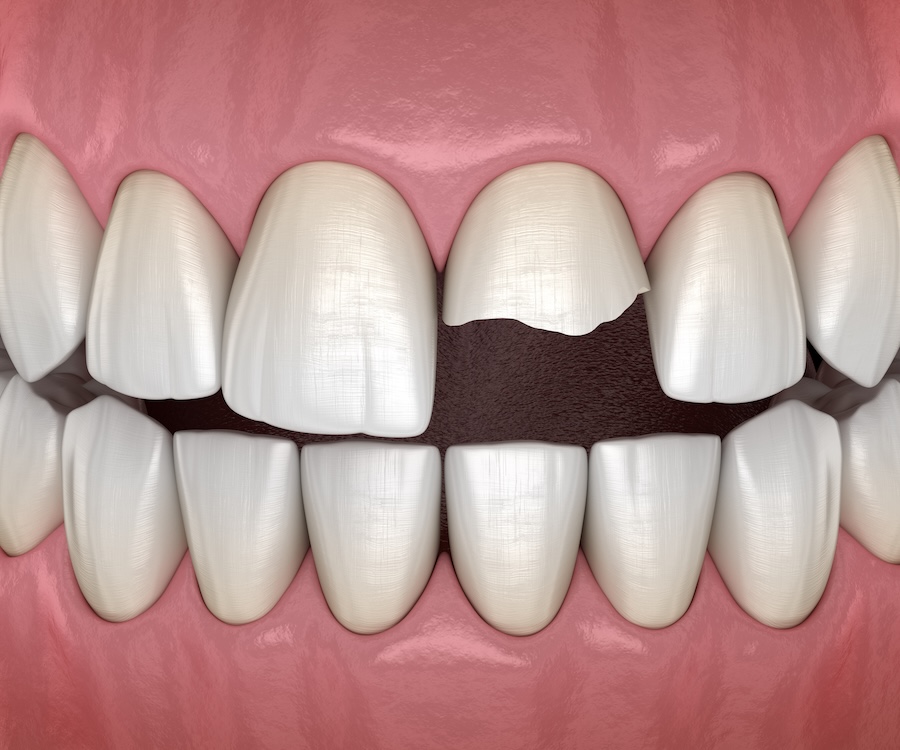
However it happens, the moment after is usually the same. You check it with your tongue, maybe head to a mirror, and try to figure out what you’re looking at. Is it a small chip? A crack? Is more of the tooth missing than you thought?
Once that initial surprise settles, the next question comes pretty quickly: how serious is this, and can it be fixed?
What to Do Right After a Tooth Breaks
In the moment, it helps to keep things simple.
Rinsing your mouth with water can clear away any debris and help you see what’s going on more clearly. If there’s swelling, a cold compress on the outside of your cheek can help bring that down. If you’re able to find the broken piece, it’s worth holding onto it, even if it ends up not being usable.
From there, the biggest thing is avoiding that tooth as much as you can. Even if it doesn’t hurt, it’s more vulnerable now than it was before. Getting it looked at sooner rather than later gives you more options and helps prevent things from getting worse.
Why It’s Worth Addressing, Even If It Doesn’t Hurt
Not every broken tooth causes pain right away, which can make it feel less urgent.
The challenge is that once the outer layer of the tooth is compromised, the inside is no longer as protected. That can lead to sensitivity over time, especially with temperature or pressure. It also creates an easier path for bacteria to reach deeper into the tooth.
On top of that, a damaged tooth isn’t as strong as it used to be. What starts as a small chip can turn into a larger crack, especially with normal chewing. Taking care of it early helps avoid turning a manageable fix into something more involved.
Small Chips and Minor Breaks
When the damage is limited to a small chip or a rough edge, the solution is often straightforward.
Dental bonding is commonly used in these cases. A tooth-colored material is applied, shaped, and smoothed so the tooth feels normal again. The goal is to restore both the look and the feel, so you’re not constantly aware of that sharp or uneven edge.
For many people, this kind of repair blends in so well that it’s hard to tell anything was ever there.
When a Larger Portion of the Tooth Is Involved
When more of the tooth has broken away, it usually needs more support than bonding alone can provide.
In those cases, a crown is often recommended. Instead of just repairing one area, a crown covers the entire visible portion of the tooth. That gives the tooth back its shape and, just as importantly, its strength.
Once it’s in place, the tooth is able to handle everyday use again without that risk of it continuing to break down. It’s less about patching the damage and more about stabilizing the whole tooth moving forward.
If the Tooth Feels Sensitive or Painful
When a break goes deeper, the inside of the tooth can become involved. You might notice increased sensitivity to hot or cold, or a lingering discomfort that wasn’t there before. In those situations, the nerve of the tooth may be affected.
A root canal may be needed to remove that irritated or infected tissue and protect the tooth from further problems. After that, the tooth is usually covered with a crown so it can function normally again.
It adds another step to the process, but it allows the tooth to stay in place rather than needing to be removed.
When the Damage Is Too Extensive to Repair
There are times when the break goes beyond what can be restored.
If the tooth is fractured below the gumline or doesn’t have enough structure left to support a crown, removing it may be the best option. While that’s not the outcome anyone hopes for, it does open the door to replacing the tooth in a way that restores both function and appearance.
A dental implant is often the option discussed in these cases. It replaces the root as well as the visible part of the tooth, helping keep everything stable and preventing nearby teeth from shifting.
How Treatment Decisions Are Made
At that point, it’s less about picking from a list and more about looking at what’s actually going on with your tooth.
The size of the break, where it’s located, and how much of the tooth is still intact all factor into the decision. Sometimes the right option is clear right away. Other times, there may be a couple of reasonable approaches to consider.
At Lake Five Dentistry, Dr. Kierstin Lorenz walks through those options in a way that’s easy to understand, so you know what’s happening and why a certain approach makes sense for your situation.
Getting Back to Normal After Treatment
Once the tooth has been repaired, most people notice the difference pretty quickly.
That sharp edge is gone, chewing feels even again, and you’re not constantly aware of the tooth the way you were before. From there, the focus shifts to protecting that repair and avoiding future damage.
That might mean being a little more mindful with very hard foods or addressing habits like clenching or grinding. Over time, those small changes help the restoration last and keep things feeling stable.
Restorative Dentistry in Colgate, WI at Lake Five Dentistry
At Lake Five Dentistry in Colgate, WI, Dr. Kierstin Lorenz helps patients work through situations like this in a way that feels clear and manageable. Whether it’s a small chip or a more significant break, the goal is to affordably restore the tooth so it feels and functions like it should.
If you’ve recently broken a tooth or something just doesn’t feel right, it’s worth having it checked. You can call the office or schedule a visit to get a clear sense of what’s going on and what the next step looks like.
Contact UsCategorised in: Dental Tips, Dental Trauma, Restorative Dentistry