
Tooth-Colored Fillings: How They Repair Cavities While Blending With Your Smile
August 14, 2026 9:00 amA cavity is small enough to ignore right up until it is not. Maybe a tooth starts catching food in the same spot, feels sensitive to something cold, or gives you that quick little zing when you bite into something sweet. Sometimes there are no symptoms at all, which is one reason regular exams can catch decay before it gets a chance to turn into a much bigger project.
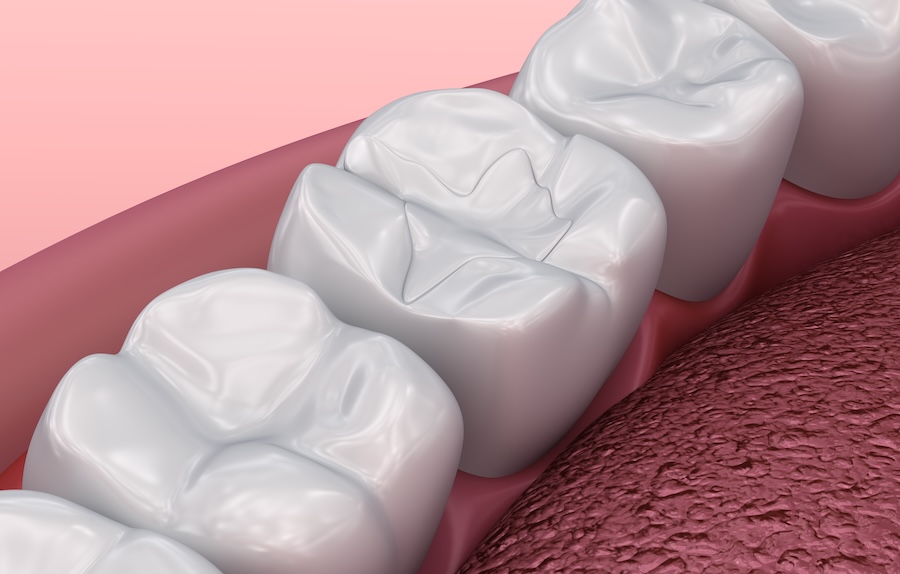
At Lake Five Dentistry in Colgate, WI, Dr. Kierstin Lorenz can repair many cavities with tooth-colored fillings that restore the damaged area while blending with the surrounding tooth. These fillings are made from a composite resin that can be matched closely to your natural tooth color, so the repair does not have to announce itself every time you laugh or smile. For many patients, that is a nice combination: the tooth gets the support it needs, and the finished result looks much more natural.
Of course, the appearance is only part of the job. A filling still has to seal the cavity, restore the tooth’s shape, and hold up to everyday chewing. Whether you are biting into an apple or absentmindedly chewing on the same side through lunch, the repaired tooth needs to function like part of the team again.
What Is a Tooth-Colored Filling?
A tooth-colored filling is made from composite resin, a material that can be shaded to resemble the enamel around it. Once the cavity is cleaned out, Dr. Lorenz places the material into the prepared area, shapes it, and hardens it with a special light. The filling is then adjusted so it fits your bite and feels natural when your teeth come together.
Because composite bonds directly to the tooth, it can often be placed with a more conservative preparation than some older filling materials. That can help preserve more healthy tooth structure around the cavity. The exact amount removed depends on the size and location of the decay, but the goal is to take out what is damaged and leave as much healthy tooth behind as possible.
The color match is another advantage, especially on teeth that show when you smile or laugh. A filling on a front tooth or premolar does not have to stand out just because treatment was needed. Dr. Lorenz can select a shade that blends with the surrounding enamel so the repair looks much less noticeable once it is finished.
How a Filling Repairs a Cavity
A cavity starts when tooth decay breaks down part of the enamel and dentin. Once that damaged tooth structure is removed, the remaining space needs to be restored so the tooth can function again. That is where the filling comes in.
Dr. Lorenz first removes the decayed area and cleans the space carefully. Then the composite material is placed in layers, shaped to rebuild the missing part of the tooth, and hardened as the filling is created. Afterward, the bite is checked and adjusted so the restored tooth does not hit too high when you close.
That last step can sound small, but anyone who has ever had a filling feel a little “too tall” knows how quickly your jaw notices. Even a tiny high spot can make one tooth feel like it is volunteering to do all the chewing. A careful bite adjustment helps the filling settle into the way your teeth already work together.
Why Tooth-Colored Fillings Look More Natural
Natural teeth are not one flat shade of white. Enamel reflects light differently depending on thickness, location, and the color underneath, so matching a filling involves more than picking “white” from a chart. Dr. Lorenz can choose a composite shade that works with the tooth around it.
That is particularly helpful for cavities in visible areas. A filling near the front of the mouth, along the side of a tooth, or in a premolar can be much less obvious when the material is matched properly. For patients who already have an older dark filling that catches their eye in photos, the difference can be pretty noticeable.
At the same time, a tooth-colored filling should not be thought of as cosmetic treatment only. It still has a very practical job to do. The best result is one that looks natural and restores the tooth well enough that you can stop thinking about it every time you eat.
Where Tooth-Colored Fillings Can Be Used
Composite fillings can be used in many parts of the mouth. They work well for small to moderate cavities in front teeth, premolars, and many back teeth, depending on the amount of tooth structure left and the forces in that area. They can also be used to repair certain small chips or worn spots.
For back teeth, the size of the cavity matters more because those teeth take heavier chewing pressure. If too much of the tooth has been weakened, a filling may not provide enough support. In that situation, Dr. Lorenz may recommend a crown or another restoration instead.
That is one reason a “small cavity” visit can sometimes turn into a different recommendation after the tooth is examined closely. The outside may look minor while the decay underneath is larger than expected, or an old filling may have left the remaining tooth too thin. We would rather match the restoration to what the tooth actually needs than squeeze a filling into a job it is not built to handle.
What the Appointment Usually Feels Like
For many fillings, the tooth is numbed first so you stay comfortable while the decay is removed. Once the area is numb, Dr. Lorenz prepares the tooth and places the composite material. The filling is shaped and hardened in stages, and then the bite is checked before you leave.
The appointment itself is usually straightforward, although your mouth may stay numb for a while afterward. That means hot coffee, crunchy snacks, and enthusiastic chewing are better saved until the feeling returns. A numb cheek or tongue is surprisingly easy to bite when it is not giving you much feedback.
Once the anesthetic wears off, the tooth may feel slightly different for a short time simply because it has been worked on. Mild sensitivity can happen, especially with deeper fillings. However, if the bite feels high, the tooth hurts when you chew, or sensitivity is not settling down, give us a call so Dr. Lorenz can check it.
Why Catching Cavities Earlier Can Keep Treatment Smaller
A cavity does not stay the same size forever. Once decay reaches deeper into the tooth, the amount of structure that needs to be removed usually grows along with it. That can change a simple filling into a larger restoration.
If decay spreads far enough, the tooth may need a crown for support. If it reaches the nerve inside the tooth, root canal treatment may be needed before the tooth can be restored. So while a small filling may not be anyone’s idea of an exciting appointment, it is usually a much easier day than waiting until the tooth starts setting the agenda.
Regular exams and X-rays can help us catch decay before symptoms show up. Some cavities form between teeth where you cannot see them in the mirror, and they may stay quiet for quite a while. Finding them earlier gives Dr. Lorenz a better chance to repair the area while more healthy tooth structure is still intact.
Tooth-Colored Fillings Can Replace Some Older Metal Fillings
Many patients still have silver-colored amalgam fillings that have been in place for years. If those fillings are healthy, sealed, and functioning well, there may be no reason to replace them just because they are dark. A filling that is doing its job does not automatically need retirement.
However, older fillings can eventually crack, wear down, or develop decay around the edges. When that happens, Dr. Lorenz may be able to replace the damaged restoration with a tooth-colored filling, depending on how much healthy tooth remains. That can repair the tooth while also giving the area a more natural appearance.
Sometimes patients notice the visual difference most after an older filling is replaced. A dark spot that used to show every time you opened wide may suddenly blend into the tooth instead. It is a small change, but it can make the mouth look much less “worked on.”
How Long Do Tooth-Colored Fillings Last?
Tooth-colored fillings can last for many years, but their lifespan depends on several factors. The size and location of the filling, your bite, how well you clean around it, and whether you grind or clench can all affect how long it holds up. A tiny filling on a lightly loaded tooth has a very different job from a large filling on a back molar.
Grinding and clenching can be especially hard on restorations because they add repeated pressure that has nothing to do with eating. If you wake up with a tired jaw, have chipped fillings before, or notice flattened tooth edges, tell Dr. Lorenz. A nightguard may be recommended in some cases to help protect the teeth and restorations.
Your daily habits play a role too. Chewing ice, biting pens, or using your teeth to tear open packaging can put sudden stress on a filling. Teeth are excellent at chewing food and much less impressive as substitute tools from the junk drawer.
Can Tooth-Colored Fillings Stain?
Composite resin can pick up some surface stain over time, especially from coffee, tea, red wine, tobacco, and other deeply colored foods or habits. The amount varies from person to person and depends on where the filling is located. Fillings near the front may be more noticeable if the shade changes over the years.
Good brushing and regular professional cleanings can help keep the margins around the filling clean. During your checkups, Dr. Lorenz can also look for staining, wear, or small gaps around the edges. Sometimes the filling still looks and functions well, while other times an older restoration may need polishing or replacement.
It is also worth remembering that the natural tooth around the filling can change color over time. Whitening can lighten natural enamel, but it does not change the shade of an existing filling. So if you are considering whitening and have visible composite fillings, it is smart to talk about the order first.
Your Bite Can Affect How a Filling Holds Up
Every filling lives inside your bite, and some teeth take more force than others. If a cavity is on a molar that does most of your chewing, the restoration has to handle more pressure than a small filling near the front. Dr. Lorenz considers that when deciding whether composite is the right choice.
The shape of the filling also needs to match the way your teeth come together. Too much height in one spot can make the tooth sore, while too little contour can change how food moves around the area. That is why Dr. Lorenz checks the bite carefully before the appointment is finished.
If you notice that one tooth feels like it is hitting first after the numbness wears off, let us know. Sometimes a small adjustment is all that is needed. Your jaw is remarkably good at finding a high spot that looked microscopic five minutes earlier.
Daily Care Around a Filling Is Pretty Familiar
Once a tooth-colored filling is finished, you do not need a complicated new routine. Brush twice a day with fluoride toothpaste, clean between the teeth, and keep up with regular dental visits. The edges of the filling still need to stay clean so new decay does not start around them.
Flossing is especially helpful when the filling sits between two teeth. If floss starts catching, shredding, or getting stuck around an older restoration, mention it at your next visit. That can sometimes point to a rough edge, a change in the filling, or another issue that deserves a closer look.
Also, pay attention to changes in how the tooth feels. A filling that has been comfortable for years should not suddenly become painful, sensitive, or sharp at the edge. If something changes, Dr. Lorenz can check whether the filling is worn, cracked, or starting to loosen.
Tooth-Colored Fillings at Lake Five Dentistry in Colgate, WI
At Lake Five Dentistry, Dr. Kierstin Lorenz can repair cavities with tooth-colored fillings when composite is the right fit for the tooth. She will look at the size of the decay, the strength of the remaining tooth, where the cavity is located, and how much chewing pressure the area takes. Then she can explain whether a filling is enough or whether the tooth would be better protected with another type of restoration.
Bring up the little things you have noticed too. Maybe one tooth catches food, a cold drink suddenly gets your attention, or an older filling feels rough when your tongue finds it. Those small clues can help Dr. Lorenz know where to look before the tooth decides to get any louder.
If you think you may have a cavity or an older filling that needs attention, schedule a visit with Lake Five Dentistry in Colgate. We can take a closer look, explain what the tooth needs, and repair it in a way that restores function while keeping the result as natural-looking as possible. We’d be happy to welcome you in and help get that tooth back to feeling like part of the background again!
Contact UsCategorised in: Dental Fillings